Understanding the Importance of Vehicle History Reports When Buying Used Cars
Posted Wednesday, Oct 08, 2025
When purchasing a used car, understanding the importance of vehicle history reports cannot be overstated. These reports provide crucial insights into a vehicle's past, helping buyers make informed decisions and avoid potential pitfalls. A detailed vehicle history report can reveal everything from accident history and previous ownership to maintenance records and odometer readings. In this blog post, we will delve into the significance of vehicle history reports and how they can enhance your car-buying experience.
What is a Vehicle History Report?
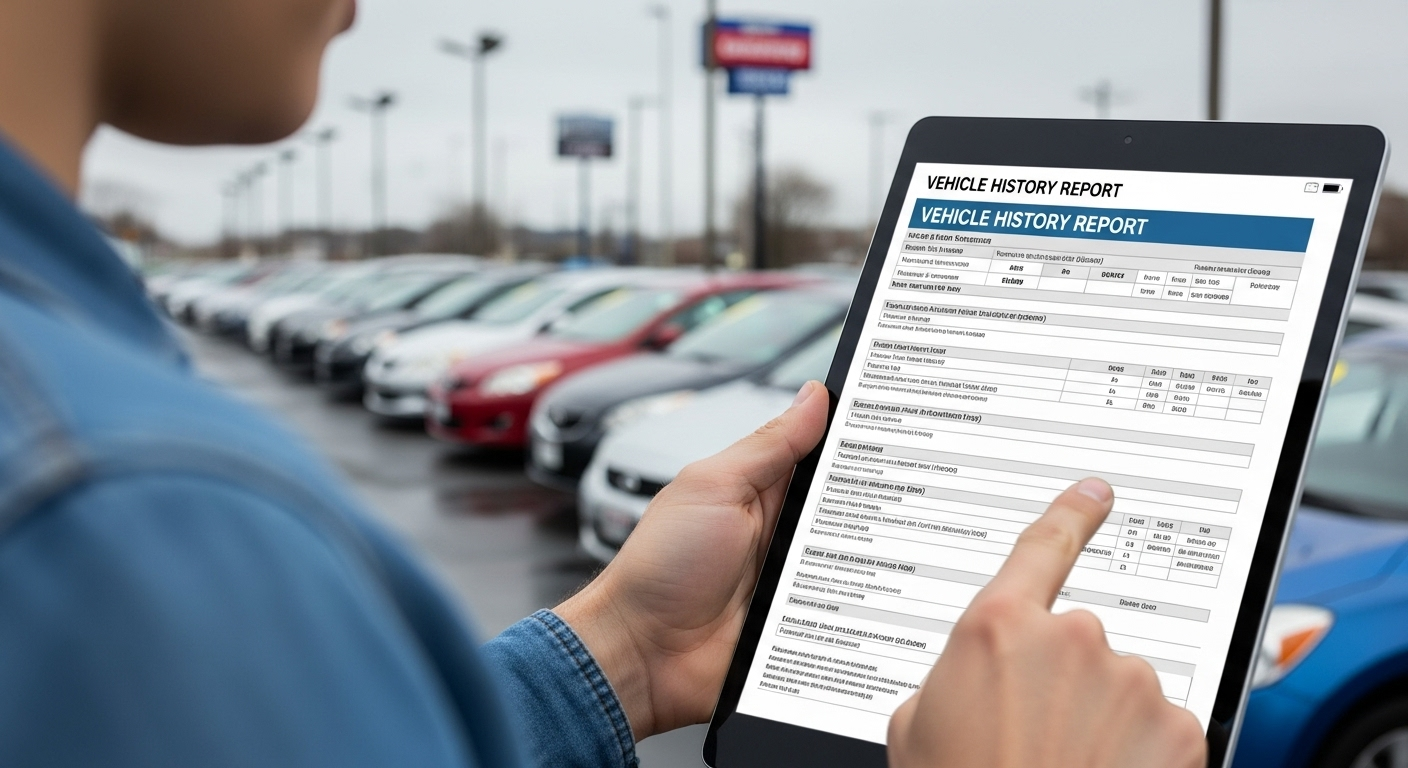
A vehicle history report is a comprehensive document that details a car's past, including its ownership history, accident history, and service records. This report is generated using the vehicle identification number (VIN), which uniquely identifies each motor vehicle. By obtaining a vehicle history report, prospective buyers can gain insights into how well the vehicle has been maintained and whether it has been involved in any significant incidents.
Popular services like Carfax and AutoCheck offer detailed vehicle history reports for a fee, providing buyers with essential information that can influence their purchase decision. Understanding vehicle history reports means knowing what to look for in these documents to ensure a wise investment.
Why Is It Important to Check the Vehicle History Before Buying?
Checking a vehicle history report before buying is vital for several reasons. First, it helps you make an informed decision by revealing any red flags that may indicate potential problems with the vehicle. For example, if a report shows that the car has been declared a total loss by an insurance company, it may not be worth the investment.
Additionally, reviewing the vehicle's maintenance history can give you insight into how well the car has been cared for. A well-maintained vehicle is likely to be more reliable and have a longer lifespan, making it a better choice for buyers.
What Information Does a Vehicle History Report Provide?
A detailed vehicle history report provides a wealth of information, including:
- Accident history: Whether the car has been involved in any accidents and the severity of those incidents.
- Ownership history: The number of previous owners and how long each owner kept the vehicle.
- Mileage: Odometer readings over time to check for discrepancies or signs of tampering.
- Service records: Documentation of any repairs or maintenance performed on the vehicle.
- Title information: Whether the vehicle has a salvage title or has been involved in a total loss.
This information is crucial for buyers to assess the vehicle's overall condition and make an informed decision.
How Can Vehicle History Reports Help You Avoid Bad Purchases?
Vehicle history reports are key in helping buyers avoid bad purchases. By reviewing the report, you can identify any potential issues that may not be obvious during a test drive or visual inspection. For instance, if the report indicates a history of major accidents or extensive repairs, you may want to reconsider your purchase.
Furthermore, understanding vehicle history reports can help you negotiate a better price. If the report reveals any issues, you can use this information to justify a lower offer, ensuring that you are not overpaying for the vehicle.
What Are the Limitations of Vehicle History Reports?
While vehicle history reports provide valuable insights, they are not without limitations. For example, these reports may not include every incident or repair that has occurred. Some service records may not be reported to the necessary databases, meaning buyers might miss critical information.
Additionally, a vehicle history report cannot assess the current condition of the car. It is essential to combine the information from the report with a thorough inspection by a trusted mechanic to ensure you are making a sound investment.
How to Obtain a Vehicle History Report?
To obtain a vehicle history report, you will need the vehicle identification number (VIN). You can purchase a report through services like Carfax or AutoCheck, which offer detailed vehicle history checks for a fee. Some dealerships may also provide complimentary vehicle history reports as part of their sales process.
Keep in mind that while the cost may vary, investing in a vehicle history report is a small price to pay for peace of mind when buying a used car.
What Should You Look for in a Vehicle History Report?
When reviewing a vehicle history report, there are several key elements to pay attention to:
- Accident history: Check for any accidents and their severity.
- Ownership history: Look at the number of previous owners and how long they kept the car.
- Mileage discrepancies: Ensure the odometer readings are consistent and check for potential rollbacks.
- Service history: Review maintenance records to see how well the vehicle has been cared for.
- Title status: Confirm whether the vehicle has a clean title or if it has been designated as salvage.
By focusing on these aspects, you can make a more informed decision when purchasing a used vehicle.
Can Vehicle History Reports Affect Insurance Rates?
Yes, vehicle history reports can impact insurance rates. Insurance companies often consider a vehicle's past when determining coverage rates. For example, a car with a history of accidents or significant repairs may have higher insurance premiums compared to a vehicle with a clean history.
Understanding the importance of checking a vehicle history report can help you avoid potential surprises when it comes to insurance costs. Being aware of the car's past can enable you to negotiate better coverage options that align with your budget.
How Does a Vehicle History Report Impact Resale Value?
A vehicle's history report can significantly influence its resale value. Cars with clean histories, low mileage, and well-documented service records tend to retain their value better than those with a troubled past. If you plan to resell the vehicle in the future, having a detailed vehicle history can be a selling point for potential buyers.
Investing in a vehicle with a strong history can lead to better resale opportunities, maximizing your return on investment.
Common Mistakes While Understanding Vehicle History Reports When Buying Used Cars
- Not reviewing the entire report: Many buyers skim through the report instead of thoroughly reviewing all sections, potentially missing crucial information.
- Ignoring accident history: Buyers often overlook previous accidents, which can significantly impact the vehicle's value and safety.
- Failing to verify ownership history: Not checking the number of previous owners can indicate potential issues with the vehicle.
- Overlooking title status: Neglecting to check if the title is clean or if there are any liens can lead to legal complications.
- Not considering service records: Buyers may miss important maintenance history, which can affect the vehicle's reliability.
- Assuming reports are error-free: Some buyers trust reports without verifying details, as inaccuracies can occur.
- Not using a reputable service: Relying on less-known or unreliable sources for vehicle history reports can lead to missing critical information.
- Ignoring odometer readings: Failing to check for discrepancies in mileage can indicate potential odometer fraud.
- Not cross-referencing with other information: Buyers often do not compare the report with the seller's claims or other research.
- Overlooking recalls and safety issues: Ignoring past recalls can put buyers at risk if the issues were not addressed.
Conclusion: Key Takeaways on Vehicle History Reports
- Vehicle history reports provide essential insights into a car's past, helping you make informed decisions.
- Checking the report before buying can help you avoid potential problems and negotiate better prices.
- Key elements to look for include accident history, ownership details, mileage records, and service history.
- Vehicle history can impact insurance rates and resale value, making it crucial for smart car buying.
In summary, the importance of vehicle history reports when buying used cars cannot be overlooked. At Ghazal Auto, a trusted used car dealership in Springfield, MI, we understand the significance of providing our customers with vehicle history reports. We encourage all buyers to prioritize checking these reports to ensure a positive and informed buying experience. Remember, a detailed vehicle history report is not just a document; it's a key tool that helps you make smart choices when purchasing a used car.