Mistakes First-Time Car Buyers Make When Buying a Used Car
Posted Thursday, Jan 08, 2026
Buying your first car or a pre-owned vehicle is exciting but also full of potential pitfalls. First-time car buyers who skip research or rush the buying process often face costly buying mistakes. This guide highlights the top mistakes first-time used car buyers should avoid and gives practical expert advice on financing, vehicle history, test drives, and total cost of ownership so you can buy a used car with confidence.
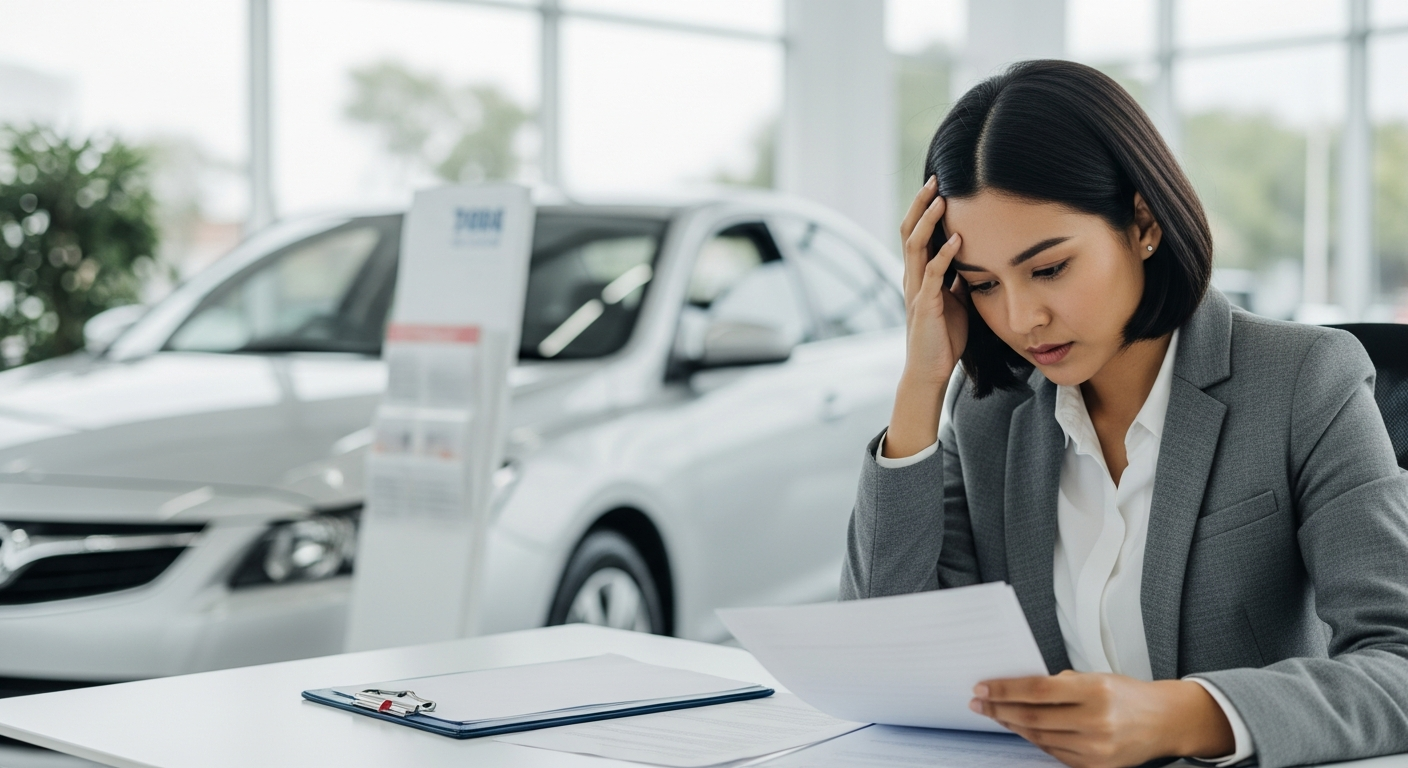
1. How should I plan financing to avoid major financing mistakes?
Financing is one of the biggest areas where first-time car buyers make mistakes. Before you visit dealerships, get familiar with financing options like banks, credit unions, and dealer financing. Compare estimated monthly payment amounts and loan term scenarios so you understand the total cost of ownership, not just the sticker price. Neglecting this research can lead to a car loan with an unfavorable loan term or high interest rate that increases what you ultimately pay for the used car.
For peace of mind, pre-qualify for a car loan to know your interest rate and maximum budget. That puts you in a stronger negotiating position at a dealership and prevents buyers from agreeing to a financing option that makes the monthly payment seem affordable while hiding long-term costs. Remember, financing affects resale value planning too — a shorter loan term often preserves equity and helps avoid upside-down loans.
2. What should I check during a test drive to avoid common mistakes?
A proper test drive is essential to avoid one of the most common used car buying mistakes. During the test drive, evaluate how the car accelerates, brakes, steers, and rides across different road types. Test the car at highway speeds and in stop-and-go traffic to assess fuel efficiency in real-world conditions. Listen for unusual noises and check electronics, air conditioning, and safety features. Skipping a comprehensive test drive can mean you buy a pre-owned vehicle with hidden issues that a short drive won't reveal.
Bring a checklist or use a smartphone to note any problems you encounter. If possible, have your mechanic or a knowledgeable friend ride along. A thorough test drive gives you better insight into potential repair costs and the car’s expected total cost of ownership — helping first-time buyers make an informed decision rather than learning about problems after the purchase.
3. Why is reviewing the vehicle history report crucial to avoid buying mistakes?
A vehicle history report is a must-have tool for first-time buyers to avoid major mistakes. This report shows past accidents, title problems, service records, and mileage discrepancies — all vital details for evaluating a pre-owned car. Skipping the history report can lead to buying a used car with a salvaged title, flood damage, or rolled-back mileage, which hurts resale value and can cost thousands in repairs.
Always cross-check the vehicle identification number (VIN) on the car with the history report. If the dealer resists providing a history report, treat that as a red flag. Reliable dealerships and private sellers should provide transparent history reports, helping you avoid common pitfalls and giving you leverage during price negotiations.
4. How can a mechanic inspection prevent mistakes first-time car buyers make?
Having a trusted mechanic inspect a pre-owned car before you buy it is one of the smartest steps to avoid common used car buying mistakes. A mechanic can uncover hidden issues like worn suspension components, leaks, engine problems, or frame damage that may not be apparent on a test drive or history report. Investing in a pre-purchase inspection reduces the risk of unexpected repairs and gives you stronger negotiation leverage if repairs are needed.
Ask the seller to allow an independent inspection and budget for this cost like a wise first-time car buyer. A clean inspection report offers peace of mind and may be worth more than a slightly lower asking price. Conversely, a poor inspection can save you from purchasing a lemon and the long-term payments and headaches that follow.
5. What are the biggest mistakes buyers often make about mileage and maintenance?
Mileage and maintenance history significantly affect the future reliability and resale value of a pre-owned vehicle, yet many buyers overlook these factors. High mileage on a good-maintained car may be better than low-mileage cars that were neglected. Review service records and ask about scheduled maintenance like timing belt changes, transmission service, and recent repairs. Cars with irregular maintenance are more likely to have expensive problems down the road.
Watch for mileage discrepancies on the history report or odometer that indicate tampering — a common used car buying mistake. Consider how the vehicle’s mileage fits your driving needs: if you plan to keep the car for several years, a lower-mileage, well-maintained car typically delivers better long-term value and fuel economy, and helps maintain resale value.
6. Are there common pitfalls in calculating the total cost of ownership?
One of the biggest mistakes first-time car buyers make is focusing solely on the purchase price and ignoring the total cost of ownership. Include insurance, fuel efficiency (fuel economy), maintenance, taxes, registration, and estimated resale value in your calculations. An SUV might meet your needs but could cost more in fuel and insurance than a fuel-efficient compact car, increasing your monthly payment and long-term ownership costs.
Use online tools to estimate lifetime expenses and compare models. Calculate realistic monthly payments including insurance and fuel to ensure you can comfortably afford the vehicle without sacrificing other financial goals. Considering total cost of ownership helps you choose a used car that fits both your lifestyle and budget.
7. How can I avoid dealership and car buying common pitfalls?
Dealerships can be great resources, but first-time buyers often fall for sales tactics that hide true costs. Be wary of upsells like extended warranties, add-on services, and dealer-installed accessories that inflate the purchase price. Ask for a detailed breakdown of fees and avoid agreeing to extras that you don’t need. If a dealership pushes financing with a high-interest car loan or long loan term, re-evaluate and consider external financing options.
Take your time comparing offers from multiple dealerships and private sellers in the used car market. Use tools like Kelley Blue Book to check fair market value and know the price of the car you want. Walking away is a powerful negotiation tactic — don’t let pressure lead you into a rushed decision that becomes one of the common used car buying mistakes.
8. What mistakes first-time car buyers make when choosing the make and model?
Choosing the wrong make and model is a frequent mistake first-time buyers make. Think beyond looks: evaluate reliability ratings, typical repair costs, fuel efficiency, and resale value. Research common problems for the model year you’re considering and read owner reviews and reliability reports. A good used car might be one of many similar options — spend time finding a model known for durability and affordable maintenance to reduce long-term costs.
Consider your real needs versus wants. If you primarily commute alone, a fuel-efficient compact or sedan may be a smarter purchase than a larger, thirstier SUV. Selecting the right type of car for your usage helps you avoid regret and maintain lower total cost of ownership while preserving resale value.
9. How do price negotiations and purchase timing affect buying mistakes?
Poor negotiation and timing decisions are common pitfalls in the car buying process. Research seasonal trends in the used car market — end-of-year or end-of-month sales may offer better deals as dealerships clear inventory. Don’t be afraid to negotiate the price based on comparable listings and the vehicle history report. Use maintenance or inspection issues as leverage to lower the price or ask the seller to fix problems before purchase.
Get quotes from multiple sellers and be prepared to walk away from an offer that doesn’t align with fair market value. Avoid letting emotions drive your decision; the goal is to buy a car that meets your needs at a price that reflects its condition, mileage, and total cost of ownership.
10. What are the common used car buying mistakes related to warranty and post-purchase support?
First-time car buyers often overlook warranty coverage and post-purchase support, another costly mistake. Understand what warranty, if any, is included with a pre-owned vehicle and whether an extended warranty is worth the additional cost. Check whether the dealership offers certified pre-owned programs that include inspection and limited warranties, which can provide added peace of mind and protection against unexpected repairs.
Also, confirm what services the dealership provides after the sale — some reputable dealers offer maintenance packages or service discounts that reduce long-term ownership costs. If buying from a private seller, be more cautious about the lack of warranty and make sure your inspection is thorough. Knowing warranty details helps avoid surprise expenses and improves long-term satisfaction with your purchase.
11. How can I avoid the biggest mistakes first-time car buyers make about insurance and registration?
Insurance and registration costs are often underestimated by buyers make this common mistake. Before you finalize the purchase, get insurance quotes for the exact make, model, and year you plan to buy. Vehicles with high theft rates, poor safety ratings, or expensive parts can lead to higher premiums that significantly affect monthly payments and total cost of ownership.
Check registration fees and any local taxes that apply. These costs vary by state and can add to your upfront expenses. Knowing these figures in advance prevents unpleasant surprises on signing day and helps you budget more accurately for your first car purchase.
12. What final steps should first-time buyers take to avoid mistakes when completing the purchase?
To avoid common pitfalls, ensure all paperwork is correct before signing: verify the title (no liens), confirm the mileage, review the purchase agreement for fees, and keep copies of the vehicle history report and inspection. Confirm the agreed financing terms and make sure there are no hidden dealer add-ons or inflated figures. A careful review at this stage prevents buyers from making costly errors that are hard to reverse.
Plan for post-purchase steps like scheduling routine maintenance, transferring registration and insurance, and storing all documents in a safe place. These simple actions protect your investment and reduce the risk of future disputes or unexpected costs that new or first-time buyers often encounter.
13. Are there mistakes related to emotional buying and rushing the process?
Emotional buying is one of the biggest mistakes first-time buyers make: falling in love with the look of a car without checking its mechanical condition, history, or total cost. Take time to compare options and don’t let limited-time pressure from a sales rep force a rushed decision. Emotions can overshadow practical considerations like fuel efficiency, resale value, and maintenance costs.
Set a clear budget and checklist of must-haves and deal-breakers before shopping. This disciplined approach helps you focus on informed factors such as financing, vehicle history report, test drive results, and mechanic inspection rather than impulsive factors that lead to buying mistakes.
14. How can I use expert advice and resources to avoid common used car buying mistakes?
Tap into expert advice to avoid many common used car buying mistakes. Read reviews, watch expert videos, consult consumer reports, and talk to independent mechanics. Use resources like Kelley Blue Book for price guidance and online vehicle history services to verify records. First-time buyers who leverage these resources will be better prepared to find a good used car and avoid costly surprises.
Consider working with reputable dealerships or certified pre-owned programs if you want additional assurance. Trusted sellers often provide a vehicle history report, inspection records, and transparent financing options that help first-time buyers make a confident decision during the buying process.
15. What common pitfalls should I watch for in the used car market as a first-time buyer?
The used car market has many traps: hidden damage, odometer fraud, undisclosed accidents, and inflated prices based on demand. Be cautious about deals that seem too good to be true — they often hide serious problems. Use the vehicle history report, get an independent mechanic inspection, and verify ownership to eliminate these risks.
Stay informed about typical issues for the make and model you want, and compare multiple listings to understand fair pricing. Armed with this knowledge, you can sidestep common pitfalls that buyers often face and secure a reliable pre-owned car that fits your budget and needs.
16. How should first-time buyers balance wants vs. needs to avoid future regrets?
Balancing wants vs. needs can prevent mistakes first-time car buyers regret later. Identify your daily driving needs, such as commuting distance, passenger space, cargo capacity, and fuel efficiency. Prioritize features that impact long-term costs like fuel economy and maintenance over luxury extras that increase purchase price and insurance.
If you need a reliable commuter with low total cost of ownership, focus on models with strong resale value and good fuel efficiency rather than the flashiest option. Making practical choices helps you avoid financial strain and ensures the used vehicle fits your lifestyle for years to come.
17. What red flags should I look for that indicate a car may be a poor purchase?
Watch for red flags that a used car may be a poor purchase: inconsistent service records, multiple owners in a short period, mismatched paint, frame damage, or seller reluctance to provide a history report. These signs often indicate hidden problems that increase future repair costs and decrease resale value. Trust your instincts and be willing to walk away from suspicious listings.
Also be alert for high-pressure sales tactics, unclear fees on the purchase agreement, and unusually low prices that don’t match market values. A cautious approach and use of inspection, history reports, and expert advice minimize the chance of buying a problematic vehicle.
18. How can first-time buyers protect resale value when choosing a used car?
Choosing a model with strong resale value helps protect long-term investment and avoid losses when you sell later. Research models known for reliability and high resale values, maintain the car properly, and keep records of services to present a clean ownership history. Fuel-efficient cars and trusted brands often retain value better in the used car market.
Consider the total cost of ownership and typical depreciation for the model year you’re buying. A slightly higher upfront price for a model with better resale value and fuel efficiency can save money over time and improve your options when it’s time to trade or sell.
19. What final checklist should first-time car buyers follow to avoid mistakes to avoid?
Before you sign, use a final checklist to avoid common pitfalls: verify the vehicle history report, complete an independent mechanic inspection, confirm financing terms, test drive the car thoroughly, compare dealer and private offers, and ensure title and registration are clean. This checklist helps first-time buyers avoid mistakes and ensures a smoother buying process.
Keep documentation of every step — quotes, inspection reports, and any warranties — and review them carefully. Following this process reduces surprises and gives you the confidence that your used car purchase was smartly managed.
20. How can prospective buyers use negotiation strategies to avoid buying mistakes?
Effective negotiation strategies prevent many buying mistakes. Arrive with market data, a pre-approved car loan, and a clear maximum budget. Start negotiations based on fair market value and use any inspection findings or history report issues as bargaining chips. Avoid revealing your top budget or emotional attachment to the car.
Be prepared to walk away and compare offers from other dealerships and private sellers. A calm, data-driven approach to negotiation can save you money, prevent unfavorable financing deals, and reduce the likelihood of buyer’s remorse.
Summary: Key takeaways to avoid mistakes first-time car buyers make
- Get pre-approved financing and compare financing options to avoid costly car loans and long loan terms.
- Always perform a thorough test drive and bring a checklist to spot performance and comfort issues.
- Obtain and review the vehicle history report and verify the VIN to avoid hidden damage or mileage fraud.
- Pay for an independent mechanic inspection to uncover issues not visible to the untrained eye.
- Calculate the total cost of ownership — insurance, fuel efficiency, maintenance, taxes, and resale value.
- Research make and model reliability, fuel economy, and resale value before choosing your first car.
- Negotiate with confidence using market data and be wary of dealer add-ons and upsells.
- Review warranty and post-purchase support options; consider certified pre-owned for extra protection.
- Get insurance quotes and factor registration fees into your budget before closing the deal.
- Follow a final checklist and keep all documents to protect yourself after purchase.
Buying a used car as a first-time car buyer involves many decisions — from financing and test drives to history reports and mechanic inspections. Avoiding these buying mistakes and common pitfalls helps ensure you select a reliable pre-owned vehicle with good resale value and manageable total cost of ownership. If you’re researching dealerships and looking for expert advice on buying used, consider working with a trusted used car dealer like Ghazal Auto, a Used Car Dealership in Springfield, MI. Ghazal Auto can offer guidance on financing, help arrange a mechanic inspection, provide vehicle history reports, and show a selection of fuel efficient cars and SUVs that fit first-time buyers’ budgets while minimizing mistakes to avoid in the used car market.