Hybrid vs Gas Cars: Which Hybrid Vehicle or Electric Vehicle Powertrain Fits Your Lifestyle?
Posted Wednesday, May 06, 2026
Choosing between a hybrid and a gas car—or considering hybrid and electric vehicles—matters for your wallet, driving experience, and environmental impact. As buyers research pre-owned vehicles, understanding gas vs hybrid vs electric options, fuel economy, maintenance costs, and incentives helps you match a powertrain to your driving habits and lifestyle. This guide breaks down the decision between hybrid, plug-in hybrid, and traditional gas-powered vehicles so you can compare hybrid vs gas with confidence.
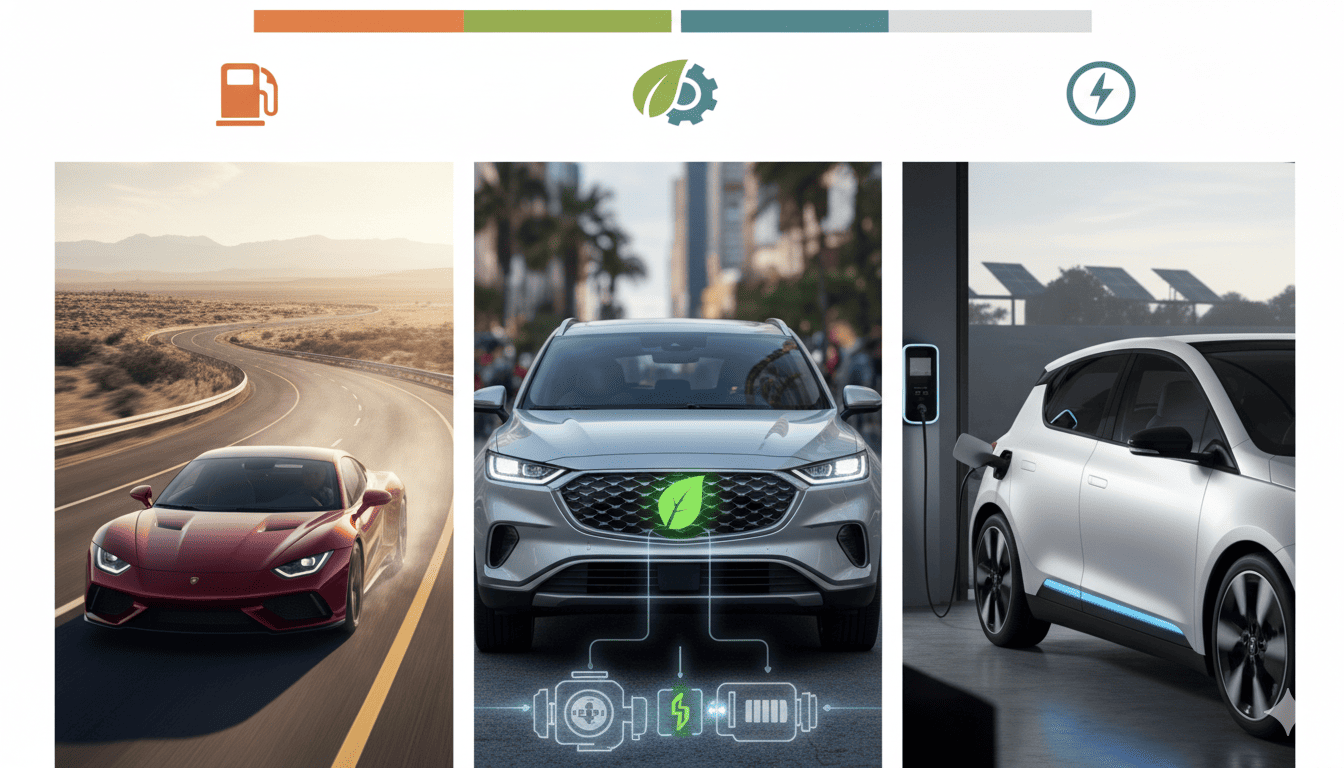
1. What is a hybrid vehicle and how does a hybrid system work?
A hybrid vehicle pairs a gasoline engine and an electric motor to optimize fuel efficiency. The hybrid system lets power flow from a gasoline engine and an electric motor individually or together, depending on speed and load. This combination often uses regenerative braking to recharge a battery and reduce reliance on gas, which improves fuel economy compared to traditional gas cars.
Standard hybrid models generally have a smaller battery and prioritize continuous switching between an internal combustion engine and electric power. Vehicles may switch seamlessly, giving hybrid owners a driving experience similar to gas vehicles but with improved fuel efficiency and lower emissions in many driving conditions.
2. How do plug-in hybrid electric vehicles differ from standard hybrid cars?
Plug-in hybrid electric vehicles (PHEVs) add a larger battery and the capability to charge from an external outlet, combining electric and gas power in flexible ways. A plug-in hybrid can operate as an electric vehicle for short trips using electric power alone and then rely on a gasoline engine for longer drives, making PHEVs attractive if your commute fits within the electric range.
Compared to standard hybrid models, plug-in hybrid cars offer longer electric-only driving, greater potential emission reductions, and sometimes higher incentives. However, PHEVs may have a higher upfront cost than non-plug-in hybrids, so buyers often weigh potential fuel cost savings and incentives against the initial cost of a hybrid or plug-in model.
3. How does fuel economy compare: hybrid car efficiency vs traditional gas cars?
Hybrid vehicles often deliver better fuel economy than gasoline vehicles because they use electric assistance to reduce load on the gas engine and recover energy through regenerative braking. A hybrid may achieve significantly more miles per gallon in city driving where electric assist and regenerative braking are most effective, while highway gains can be more modest.
When you compare gas vs hybrid, consider real-world driving habits. If your daily driving includes stop-and-go traffic and short trips, hybrid vehicles offer the biggest fuel economy advantage. If you primarily drive long highway distances, gasoline engine efficiencies have improved and the gap can narrow, though hybrids still often offer improved fuel efficiency overall.
4. What are the environmental impacts and emission differences between gas and hybrid vehicles?
Hybrid and electric vehicles generally lower tailpipe emissions compared to gas-powered vehicles, reducing environmental impact and local air pollution. Hybrids reduce gasoline consumption and emissions by leveraging electric power, while plug-in hybrids and electric cars can provide near zero tailpipe emissions during electric-only operation.
Choosing between gas and hybrid affects not just fuel costs but community air quality. For buyers prioritizing lower emissions, hybrids and plug-in hybrids often represent a practical middle ground—offering reduced emissions without requiring full electric charging infrastructure or long range planning demanded by some electric vehicles.
5. How do maintenance costs compare between hybrid and traditional gas cars?
Maintenance costs for hybrid vehicles can be lower in some areas—less wear on the gasoline engine and brakes thanks to regenerative braking, and reduced fuel-related service. However, hybrids have additional components like electric motors, inverters, and batteries, which can raise maintenance or replacement costs if they fail outside warranty periods.
For pre-owned buyers, evaluating vehicle history and existing warranties is crucial. Hybrid vehicles often require similar routine maintenance as gasoline vehicles but may avoid some engine-intensive services. A used car dealer with expertise in hybrid and electric vehicles can help you assess battery health and maintenance records to estimate long-term costs.
6. What about upfront cost and incentives for hybrids versus gas cars?
The initial cost of a hybrid is often higher than a comparable gas-only vehicle, although the difference has decreased as hybrid technology has matured. Incentives—such as federal tax credits, state rebates, or local incentives—can reduce the effective upfront cost for hybrid and plug-in hybrid models, making hybrids more affordable to many buyers.
When comparing hybrid vs gas, factor in long-term fuel savings, potential incentives, and resale value. Sometimes a higher upfront cost is offset by lower fuel costs and incentives, especially if your driving habits align with hybrid strengths. For used car buyers, pre-owned hybrids often represent good value: lower upfront cost with many of the fuel and emission benefits intact.
7. How do driving habits influence whether a hybrid or gas car fits your lifestyle?
Your driving habits—commute length, frequency of highway trips, and access to charging—influence whether a hybrid, plug-in hybrid, or gas-powered vehicle fits your lifestyle. Hybrids shine for urban drivers with lots of stop-and-go traffic, while drivers with long highway commutes might see smaller gains in fuel economy with a hybrid compared to gasoline vehicles.
Consider questions like: Do you make frequent short trips? Do you have access to a charger at home or work? How often do you drive beyond electric range? Evaluating these driving habits helps you decide between hybrid or EV, gas vehicles, or a plug-in hybrid that blends both electric and gas power.
8. How do driving experience and performance compare between gas and hybrid vehicles?
Hybrid vehicles often feel smooth and quiet thanks to electric motor assistance and seamless transitions between power sources. Electric motor torque can provide brisk low-end acceleration, improving initial responsiveness compared to some gas-powered cars. Many drivers report a refined driving experience with hybrids that blend electric and gasoline power.
However, some enthusiasts prefer the characteristic sound and behavior of an internal combustion engine. Gas-powered vehicles may provide consistent performance at high speeds and are familiar in terms of refueling and range anxiety avoidance. Test-driving both types is the best way to compare the driving experience and see which powertrain fits your lifestyle and expectations.
9. What practical considerations matter when buying a used hybrid or gas-powered car?
When shopping for a used car, inspect battery health, service history, and any warranty transferability for hybrid vehicles. Hybrid owners should ensure regular maintenance was performed and that regenerative braking systems function properly. For gas vehicles, focus on traditional maintenance items like timing belts, oil change history, and overall engine condition.
Other practical points include access to gas stations vs charging infrastructure, potential incentives for used hybrid or plug-in models, and the typical lifetime of hybrid batteries for the model you’re considering. A certified used car dealer familiar with hybrid and electric vehicles can provide vehicle history reports and pre-purchase inspections to ease decision-making.
10. How should you compare resale value and long-term ownership for hybrids vs gas cars?
Resale values for hybrids can be competitive, particularly if fuel prices rise and consumer demand for efficient vehicles increases. Hybrid vehicles often hold value due to their reputation for fuel economy and lower operating costs, but battery degradation concerns can affect resale in some markets.
Long-term ownership costs include fuel savings, maintenance, potential battery replacement, and available incentives. Comparing total cost of ownership—rather than just purchase price—helps buyers determine whether hybrid vehicles offer long-term benefits compared to traditional gas cars for their specific drive habits and lifestyle.
11. How do incentives and tax credits affect the decision between hybrid and gas?
Incentives can meaningfully shift the cost-benefit analysis between hybrid and gas vehicles. Depending on where you live, plug-in hybrids and some hybrid models may qualify for federal tax credits, state rebates, HOV lane access, or other perks that lower the effective cost and improve the value proposition of an electric or hybrid vehicle.
When choosing between gas and hybrid, research available incentives, calculate expected fuel savings based on your driving habits, and consider how those incentives change both upfront cost and long-term operating expenses. For many buyers, incentives make hybrid or EV options more attractive than they otherwise would be.
12. Which types of vehicles best suit different driver profiles: commuters, families, or performance seekers?
Commuters with predictable daily routes often benefit most from hybrid and plug-in hybrid vehicles because of improved fuel economy and potential electric-only driving. Families may value hybrid SUVs or crossovers that offer space and efficiency, while performance seekers can find sporty hybrids that blend electric motor torque with gasoline engine power for engaging driving dynamics.
Choosing the right vehicle involves matching vehicle type to lifestyle: compact hybrids for city drivers, hybrid SUVs for those needing cargo and passenger capacity, and gas-only or performance hybrids for drivers prioritizing outright power. Compare hybrid and electric vehicles across body styles to find the best fit.
13. How can you test whether hybrid or gas fits your lifestyle before buying?
Test drives and real-world simulations are key: try driving both a hybrid and a comparable gas vehicle on your regular route, including commutes and weekend trips. Pay attention to fuel economy readouts, driving experience, and any differences in cabin noise or regenerative braking feel.
Also consider short-term rentals or borrowing a hybrid to gauge how it changes your fuel costs and driving habits. This practical experience helps you determine whether a hybrid could reduce fuel costs and emissions without imposing lifestyle trade-offs.
14. How do hybrid technologies continue to evolve and affect future buy decisions?
Hybrid technology continues to improve with better batteries, enhanced electric motors, and more efficient hybrid systems. Future vehicles may blend hybrid and electric systems even more seamlessly, giving drivers better fuel economy, lower emissions, and electric power options across more vehicle types.
For buyers considering long-term ownership or resale, staying informed about hybrid model updates, battery warranties, and evolving incentives helps you pick a vehicle that aligns with future market trends and personal drive habits.
15. How do you decide between gas-only, hybrid, or plug-in hybrid for a used car purchase?
Start by listing your driving habits, budget, charging access, and priorities for fuel economy and emissions. Use a checklist: typical commute length, percentage of city vs highway driving, access to charging, tolerance for higher upfront cost, and desire for lower long-term fuel costs. This will clarify whether gas or hybrid fits your lifestyle.
Next, compare total cost of ownership including fuel costs, maintenance costs, potential incentives, and resale value. If you need help evaluating used hybrids or want a dealer who understands hybrid and electric vehicles, consult experienced used car dealers to inspect battery health and maintenance history.
Conclusion: Key takeaways
- Hybrid vehicles combine a gasoline engine and an electric motor to improve fuel economy and reduce emissions compared to traditional gas cars.
- Plug-in hybrids offer more electric-only range but usually cost more upfront than standard hybrids.
- Fuel economy gains are largest in city driving where regenerative braking and electric assist are most effective.
- Maintenance costs can be lower for some hybrid owners but consider potential battery-related expenses for older models.
- Incentives and available tax credits can shift the value proposition toward hybrid or plug-in models.
- Your driving habits—commute length, highway vs city, and access to charging—should guide the decision between gas, hybrid, or plug-in hybrid.
Ultimately, choosing between hybrid and gas comes down to how the powertrain fits your lifestyle and driving habits. If you’re shopping for a pre-owned vehicle and want guidance on hybrid, electric vehicle, or traditional gas options, visit Ghazal Auto, a used car dealer in Springfield, MI. They can help you compare hybrid and electric vehicles, evaluate fuel economy, review incentives, and choose the powertrain that best fits your lifestyle—whether you prefer traditional vehicles, a hybrid could be the right step, or you’re considering hybrid or EV alternatives.